
Ready for the Rush: A Holiday Checklist for Independent Motels
Thanksgiving through New Year's is the year's biggest road-trip stretch. Five areas to settle before the rush, and a checklist to work through.
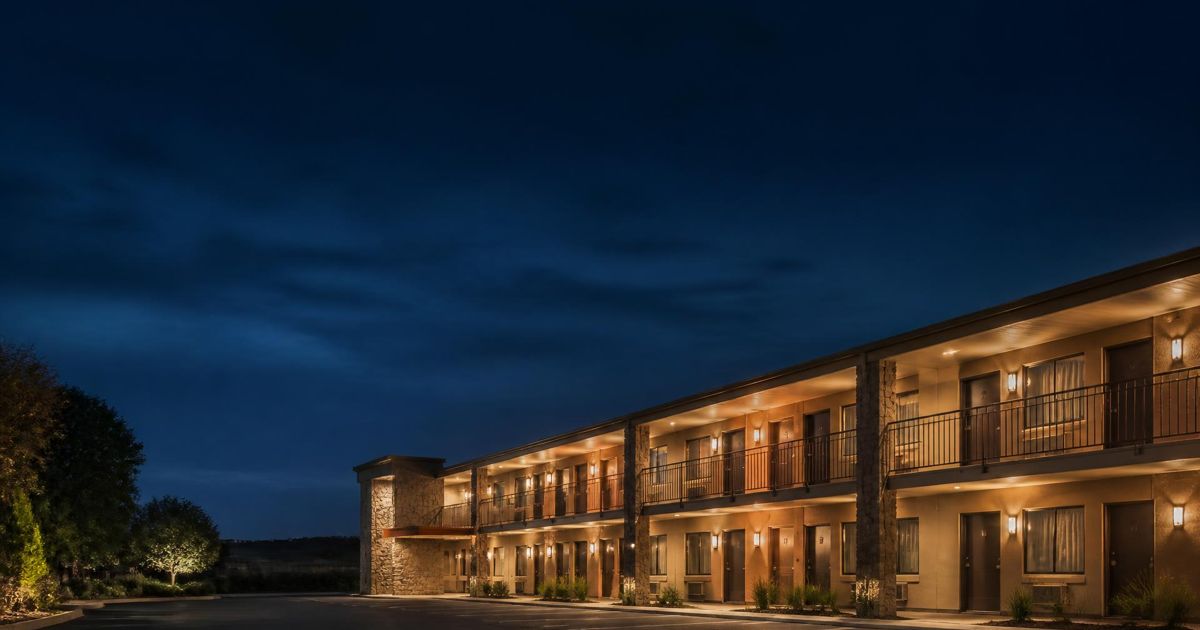
Thanksgiving is three weeks away (Thursday, November 26), and the year's biggest road-trip stretch runs from there through New Year's. Last Thanksgiving, AAA projected a record 81.8 million Americans traveling 50+ miles from home, and at least 73 million of them by car. Road trips end at motels.
The rush doesn't arrive as neat reservations made weeks ahead. It comes as calls from the highway at 10 PM, last-minute app bookings, walk-ins, and families who drove two hours further than they planned. It lands on a front desk that is often already stretched. In AHLA's February 2026 survey, more than half of hotels said they were somewhat or severely understaffed.
You can't add hours to the night. You can decide now what happens when five things hit the desk at once. Here are five areas to settle before Thanksgiving week, and a checklist to work through.
1. Answer every call
During a holiday week, the phone rings hardest exactly when the desk is busiest: late afternoon and evening, while guests are checking in. A traveler calling from the road rarely leaves a voicemail. If nobody picks up, they call the next motel on the map.
- Know your peak hours. Look at last year's check-in times, or ask your night staff when the phone gets busiest. Plan coverage around those two or three hours, not around the whole day.
- Decide the rule for a ringing phone during a check-in. Will you answer, and if so, what do you say? Write it down so every shift handles it the same way.
- Have a backup for overflow. That could be a second person on peak nights, call forwarding to the owner's cell, or an AI phone assistant that can quote rates and take a reservation. Whatever you choose, test it before the 26th.
- Put your rates and policies in one place. Callers ask the same five questions: price, pets, parking for trucks and trailers, check-in time, cancellation. Anyone answering should be able to reply in ten seconds.
2. Stop double bookings before they start
Double bookings happen most on high-demand nights, when your last few rooms are selling on several channels at once. A booking on Booking.com or Expedia can take minutes to reach your system. A walk-in can be given that same room in the meantime. Then you have two guests, one room, and a refund at best.
- Check how fast your channels really sync. Make a test booking on each OTA and time how long it takes to appear at the front desk. If it isn't close to instant, plan around the delay.
- Hold back your last room or two on peak nights. Close them on the OTAs and sell them only at the desk or by phone. You give up a little reach for a lot of certainty.
- Reconcile at shift change. Compare tonight's OTA reservations with your room list at 4 PM and again at 8 PM. It takes five minutes, and it's the cheapest insurance there is.
- Have a walk-out plan. If it happens anyway, know which nearby property you'll call, and decide in advance what you'll cover (the first night, transport, an apology on the next stay).
The long-term fix is one live inventory, where every channel reads from the same room list, so a room booked anywhere is gone everywhere. Until then, these habits close most of the gap.
3. Price the peak nights on purpose
The nights around Thanksgiving don't behave like a normal week. Demand spikes on the travel days, the Tuesday and Wednesday before and the Sunday after, and can be soft on Thanksgiving night itself. One flat holiday rate leaves money on the table on some nights and empty rooms on others.
- Set a rate for each night, not for the week. Look at what you sold last year night by night, and how fast.
- Check nearby motels once a day. Don't copy them. Know where you sit, so you can be fair and stay full.
- Set a floor and a ceiling. Decide the lowest and highest rates you'll accept before the rush, so no 9 PM decision (or software rule) goes outside them.
- Watch minimum-stay rules. A two-night minimum on Wednesday can block the one-night road-trippers who are most of your guests. Use minimums carefully.
- Keep the rate honest. A price that jumps far above the local market can fill a room once and cost you a review forever. We wrote more about this in Why Blaixin Won't Price Your Last Room at $389.
4. Plan room turns and the morning before the rush
Holiday guests check out late and arrive early. With a full house of one-night stays, every room may need to be turned every day, so housekeeping becomes the bottleneck.
- Plan each morning the night before. List departures, arrivals and stayovers. Turn the rooms with early arrivals first.
- Stock up now. Linens, towels, toiletries, coffee and ice-machine parts all run short when every room turns daily. Order before suppliers slow down for the holiday.
- Fix the small things this month. A broken heater, a dripping shower or a dead TV remote is a minor job in November and a one-star review at Thanksgiving.
- Confirm the schedule early. Lock in who works each shift from the 24th to the 30th, plus one backup name for every shift.
5. Protect your reviews when it gets busy
Busy weeks bring more reviews, and they stay on your listings long after the holiday. Guests forgive a lot when they feel looked after. They don't forgive feeling ignored.
- Greet every arrival by name. Have tonight's arrival list at the desk, so a tired driver hears "Welcome, we have your room ready."
- Tell guests about delays before they find them. If a room isn't ready, say so with a time, and offer coffee or a place to park and rest.
- Reply to reviews within a day or two. Thank the good ones briefly, and answer the bad ones calmly with what you fixed. Future guests read your replies.
- Ask happy guests to review. At checkout, a simple "If you enjoyed your stay, a review really helps a small motel like ours" works better than any email.
The checklist
Work through these before Monday, November 23.
- Identify your two or three busiest phone hours
- Write the rule for calls that come in during a check-in
- Set up and test a backup for overflow calls
- Put rates, pet, parking and cancellation answers on one sheet at the desk
- Make a test booking on each OTA and time how long it takes to sync
- Decide whether to hold back your last room or two on peak nights
- Add OTA-vs-room-list checks at 4 PM and 8 PM
- Agree a walk-out plan with a nearby property
- Set a rate for each night from November 24 to 30
- Set your rate floor and ceiling
- Review minimum-stay rules for the Wednesday before Thanksgiving
- Order linens, toiletries and supplies
- Fix room issues: heat, showers, TVs, locks
- Lock the staff schedule with a backup for every shift
- Print the arrival list each afternoon
- Block 15 minutes a day to reply to reviews
From all of us
To every motel owner, night auditor and housekeeper getting ready for the busiest weeks of the year: thank you for keeping the lights on for travelers.
We're building Blaixin so a small team can handle the rush without doing five jobs at once. Every call gets answered, every channel reads from one room list, and every rate is one you approved. If that sounds useful for your property, request early access.
— The Blaixin Team
Sources
Figures cited in this article:
- AAA 2025 Thanksgiving travel forecast, reported by WYDaily: 81.8 million Americans traveling 50+ miles from home, at least 73 million by car.
- AHLA survey, February 2026, reported by Hospitality Net: more than half of hotels said they were somewhat or severely understaffed.